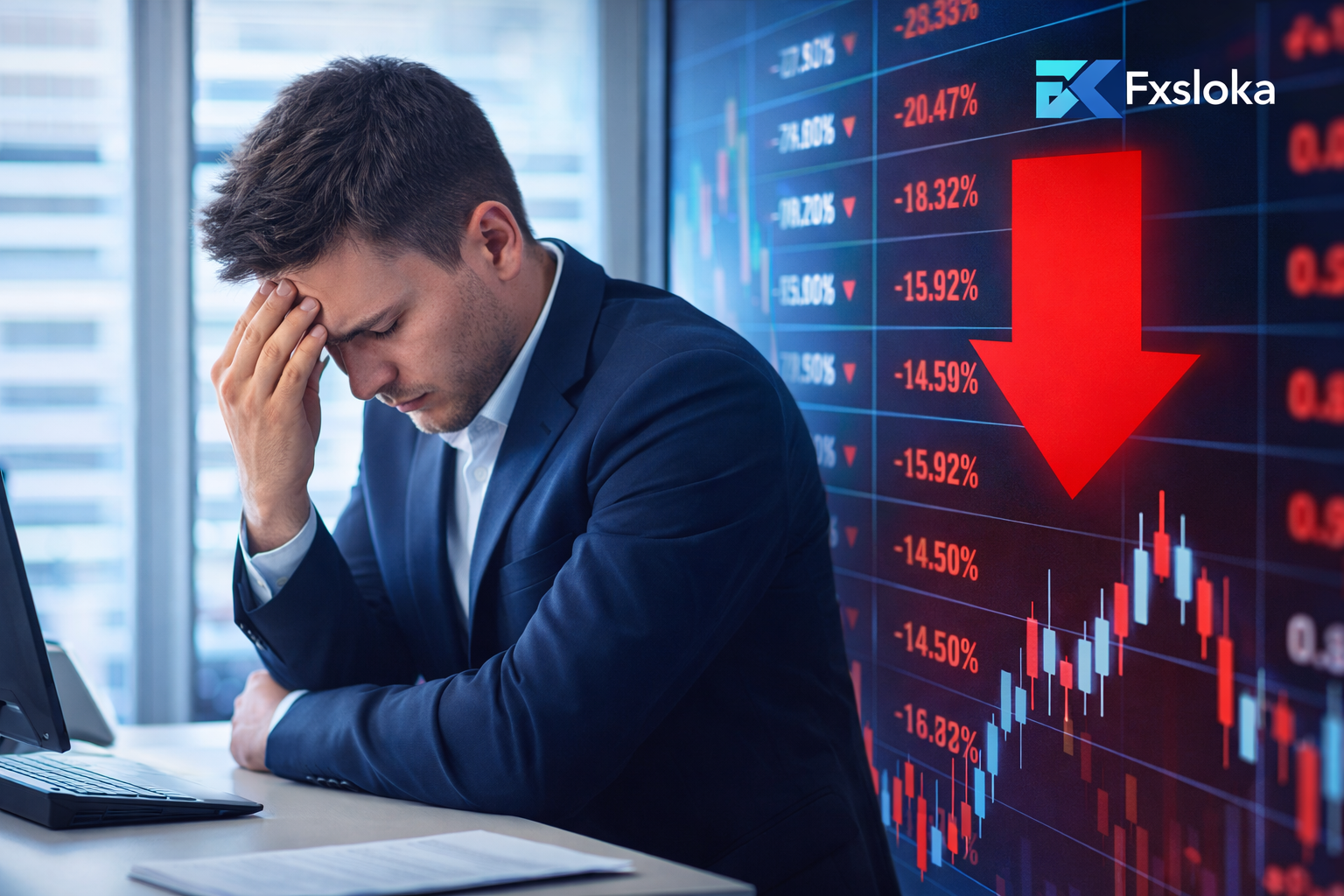
In trading, leverage is a double-edged sword — it can magnify profits but also multiply losses if used irresponsibly. Leverage lets you control a much larger position with a relatively small amount of capital by borrowing from your broker. This is common in markets like forex, futures, and crypto, where leverage ratios like 20:1, 50:1, or even higher are offered.
However, when a trader uses too much leverage relative to their account size or risk tolerance, it becomes overleveraging — a dangerous situation where even small price moves can wipe out large portions of your account. Simply put, overleveraging means taking on market exposure you cannot realistically afford to lose.
For example, imagine you have $10,000 in your account with a leverage ratio of 50:1. This gives you the ability to open a position worth $500,000. A favorable move of just 1% could potentially earn you a significant gain. But on the flip side, a 1% adverse move causes a $5,000 loss — or nearly half your account wiped out in a heartbeat. That’s the danger of excessive leverage: small price moves expand into large gains or losses in proportion to your position size.
What Happens When You’re Overleveraged
1. Larger Drawdowns and Margin Calls
When leverage is high, losses accumulate quickly. If your account equity falls below the broker’s required minimum margin level, you may receive a margin call, where the broker demands you add more funds or your positions will be forcibly liquidated to cover losses.
2. Emotional Stress and Poor Decisions
Overleveraged traders often experience intense emotional pressure. Constant worry about losing positions can lead to impulsive actions, like closing trades prematurely or adding to losing positions in an effort to “get back to even.” This psychological stress undermines discipline and strategy execution — which are far more important than leverage itself.
3. Hindrance to Diversification
When most of your account is already tied into a big leveraged position, you don’t have the flexibility to diversify or adjust risk. Your entire account becomes vulnerable to one adverse market move, which significantly increases your overall trading risk.
Signs You Might Be Overleveraging
Even experienced traders can fall into the overleveraging trap. Here are some common warning signs:
Margin calls becoming a frequent issue
Deep drawdowns that eat most of your capital
Feeling constant anxiety about open positions
Rushing to enter or exit trades without strategy
Fear of taking planned stop-losses
If these happen often, it’s a strong signal that your risk exposure is too large for your account size and comfort level.
How to Avoid the Overleveraging Trap
Use Leverage Carefully — Not Aggressively
Leverage is a tool, not a shortcut to profit. Higher leverage gives higher returns only when markets move in your favor. If the market moves against you, it multiplies losses just as quickly.
Stick to Risk-Per-Trade Rules
A common professional guideline is to limit risk per trade to a small percentage of your account (such as 1–2%). This means even with leverage, your position size is based on controlled risk, not sheer buying power.
Set Stop-Loss Orders and Respect Them
Always plan your exits before entering a trade. If you’re overleveraged and avoid stop losses because you “think the market will turn back,” you’re risking turning small losses into catastrophic ones.
Review Your Trading Plan Regularly
A proper trading plan includes position sizing, risk limits, stop-loss placement, and rules for when not to trade. Traders who deviate from this plan during high leverage events are the ones most likely to suffer large losses.
Final Thought
Leverage itself isn’t bad — it’s a potent tool used by many professional traders — but overleveraging comes from misjudged risk and emotional trading. The goal should never be to use the highest leverage possible, but rather to use the right leverage level for your experience and risk tolerance. When risk is respected and controlled, you give yourself the best chance to survive and profit in markets for the long term.